

The Importance of Deaf Clubs: A Lifeline for the Deaf Community

A Personal Reflection on Deaf Clubs
As a CODA (Child of Deaf Adults), I grew up in a Deaf club. I watched my parents walk into a space where everything finally made sense. The language, the laughter, the stories flying across the room in sign, lights flashing to get someone’s attention, and yes… the noise. Deaf clubs are loud, joyful places!
For my parents, the Deaf club was a sanctuary. It was where everyone used the same language. No one had to explain themselves or was left guessing. It was a place to socialise, learn, argue, support each other, share news, grieve, and celebrate. It was full of information, resources, advice, and people who understood without needing a long explanation.

In the middle of it all were us, the CODAs. We absorbed sign language without even realising it. We played around, being naughty, thinking our Deaf parents wouldn’t notice. But they always did. Deaf parents have eyes everywhere!
The Value of Accessible Social Spaces
I saw first-hand how important Deaf clubs were. They provide something that is still rare in the world: a fully accessible social space. A place where communication is equal, and where Deaf identity is normal, valued, and shared. This matters deeply for young Deaf people.
My parents left their Deaf school at just 16. That was simply where education stopped. Suddenly, the world expected them to fit into hearing spaces where sign language wasn’t welcome. Speech therapy was advised, but none of their family members knew how to sign. Communication felt hard and lonely.
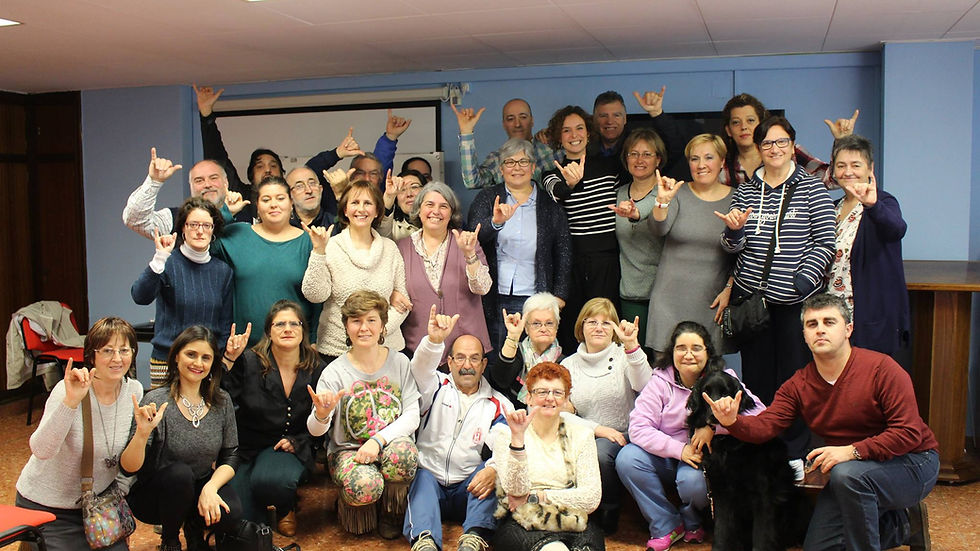
The Deaf club became the one place where confidence grew. It was where they made lifelong friends, found their first jobs, fell in love, and built the foundations of their adult lives. Without that space, school would have ended, and isolation would have begun.
The Decline of Deaf Clubs
However, in recent years, Deaf clubs have been disappearing. Attendance has gone down. Funding has dropped. Some clubs have had to close completely.
After the pandemic, many people, especially younger Deaf individuals, found community online. Social media groups, video chats, and digital spaces emerged. Yes, digital communities can be powerful. They connect people across distances, share information quickly, and create visibility. But they are not accessible to everyone.
Not everyone has good internet access. Not everyone feels comfortable online. Not everyone finds digital spaces safe or supportive. For many, especially older Deaf individuals or those who are isolated, online connections can feel shallow and lonely.
Sorry, but virtual spaces cannot replace real human connections!
The Impact of Losing Physical Spaces
When Deaf clubs disappear, something important is lost. It’s not just a building; it’s a lifeline.
As a CODA, I worry about what happens when those physical spaces vanish. I worry about Deaf individuals who are left behind because technology does not work for them. I worry about isolation, mental health, and young Deaf people growing up without ever experiencing the joy of Deaf community in real life.
Deaf clubs are not old-fashioned. They are essential, and they need support now more than ever. We need backing from the Deaf community, allies, organisations, funders, and anyone who believes that Deaf individuals deserve spaces that belong to them.
Why We Should Care
If we care about Deaf culture, Deaf wellbeing, and Deaf futures, we must care about Deaf clubs.
I saw what they gave my parents. I witnessed the impact they had on our community. And I believe they still matter today.
Join the Conversation
I would love to hear your experiences too. Did you grow up in a Deaf club? Do you miss one that has closed? What does Deaf community mean to you?
Let’s keep this conversation going! Together, we can advocate for the support that Deaf clubs need. We can ensure that these vital spaces continue to thrive for future generations.
---
In our commitment to empowering Deaf individuals, we provide high-quality British Sign Language (BSL) communication support. We also help Communication Support Workers (CSWs) succeed with specialised online training. Additionally, we offer job support to connect Deaf people with work. Our Deaf Awareness Training is trusted by UK colleges and employers, backed by 25 years of experience.
For more information on our services, please visit Deaf Umbrella.


